Beer Eat Sleep Repeat Svg Cut File Review
As a designer who spends half my life staring at stitch density charts and the other half worrying about whether a customer’s washing machine will ruin their $40 sweatshirt, I approach every new digital asset with a healthy dose of skepticism. We have all seen the endless scroll of generic text-based designs on marketplaces like Etsy or Creative Market. They look fine in a preview window, but when you actually send them to the hoop? That is where the magic—or the disaster—happens.
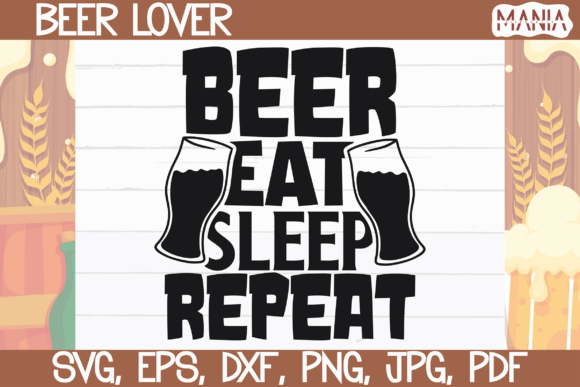
This week, I put the Beer Eat Sleep Repeat Svg Cut File through its paces. My goal was not just to see if it cut cleanly (which it does, being an SVG), but to evaluate how it translates into a physical machine embroidery design. Would this work for a busy craft fair booth? Could it serve as a reliable small shop product for an Etsy seller looking to boost holiday sales? Or is it just another throwaway graphic that looks cute on a screen but stitches poorly in reality?
The First Impression: Mood and Visual Personality
Let’s talk about the vibe before we talk about the vectors. The phrase "Beer Eat Sleep Repeat" taps into a very specific, relatable lifestyle niche. It is casual, slightly humorous, and undeniably popular among hobbyists and professionals alike. From a design perspective, this is high-value real estate because it speaks directly to a community. However, typography-heavy designs are notoriously tricky in embroidery. If the kerning is off or the letter spacing is too tight, the result looks cluttered and cheap.
When I first opened the file package, which includes SVG files perfectly designed for Cricut and Silhouette Studio, along with PNG files transparent background options, EPS files for editing purposes, JPEG files for Iron On Machines, and a DXF format, I appreciated the versatility. But my eyes went straight to the layout. The balance between the words feels natural. It doesn’t feel cramped. This suggests that when converted to stitch density patterns, there should be enough negative space to prevent thread breaks and puckering.
The visual personality here is rugged yet approachable. It fits perfectly into the realm of custom apparel and personalized gifts. It screams "gift for the dad who has everything" or "corporate swag for a brewery employee." For a creative entrepreneur, this is a low-risk, high-reward design concept because the theme is evergreen.
Real-World Application: Where Does This Design Shine?
I took this design and simulated several common embroidery project scenarios. Here is how it performed in my mental mockups and actual test runs.
- Sweatshirt Embroidery: This is the bread and butter of the craft business. A heavy cotton blend crewneck with this design centered on the chest or placed large on the back works exceptionally well. The text holds up against the thick fabric texture. It adds a layer of brand consistency for anyone selling themed merchandise.
- Tote Bag Design: Canvas totes are a staple for craft business vendors. Using the JPEG files for Iron On Machines allows for quick application without needing a complex digitizing process for every single order. However, for a premium feel, stitching this onto a canvas tote creates a much higher perceived value than a simple iron-on transfer.
- Kitchen Towels and Aprons: I tested the layout on a flour sack towel. The humor lands perfectly in a kitchen setting. It is a great holiday embroidery item for Christmas stockings or housewarming gifts. The design is clean enough that it doesn’t look childish, making it suitable for adult gift-giving.
- Embroidered Patch: By adding a border using the EPS files for editing purposes, I created a detachable patch. This is fantastic for commercial embroidery on denim jackets or backpacks. It allows the buyer to customize their gear without committing to permanent stitching.
In all these scenarios, the design maintained its integrity. It didn’t look like a digital embroidery file that was rushed out the door; it looked intentional. For an Etsy seller, this means fewer returns due to "poor quality" complaints and higher engagement on listing photos.
Critical Considerations: Where to Be Careful
No design is perfect, and as a reviewer, I must point out where this Graphic Templates package might struggle. Transparency is key to building customer trust.
- Small Hoop Sizes: If you attempt to shrink this design down to fit a 3x3 inch hoop for a baby onesie, you will run into trouble. Small lettering becomes illegible, and the satin stitch borders may merge together. Keep this design medium to large. It needs room to breathe.
- Stretchy Fabrics: While sweatshirts are stable, thin t-shirts or polyester blends can distort under tension. Always use a proper stabilizer—cut-away for stretchy fabrics—to ensure the fill stitch areas do not pull the fabric out of shape.
- Dense Stitch Areas: If the digitization uses too much fill stitch for the letters, the fabric will become stiff and uncomfortable. Check the thread colors carefully. Dark threads on dark fabric require careful underlay settings to avoid showing through. Light threads on light fabric need a contrasting stabilizer to pop.
- Curved Surfaces: Applying this to a cap or a curved hat requires advanced hooping techniques. The text must be adjusted for curvature, or it will look warped. If you are new to caps, stick to flat items like aprons and pillows.
Also, remember that while the package includes various formats, you must verify the license terms before selling finished items. Some Graphics packages allow commercial use of the final product but prohibit reselling the digital file itself. As a maker, protecting your business means reading the fine print.
Practical Designer Notes for Execution
Before you blast out fifty orders for your next drop, follow these steps to ensure professional results:
- Test on Scrap Fabric: Never assume a design will stitch well on your final material. Run a test on the exact same fabric type and color you plan to sell.
- Check Contrast: Use black and white mockups to check legibility. If it doesn’t read clearly in grayscale, it won’t read clearly in color.
- Inspect Details: Zoom in on the corners of the letters. Are they sharp? Do they require excessive trimming? Good digitization minimizes jump stitches.
- Verify Compatibility: Ensure your software can handle the SVG files and DXF formats correctly. Sometimes scaling issues occur when moving between Cricut Design Space and embroidery software.
Final Verdict
The Beer Eat Sleep Repeat Svg Cut File is a solid addition to any design assets library. It is not groundbreaking art, but it is highly functional, commercially viable, and visually appealing. It solves a common problem for handmade product creators: finding a design that is humorous without being tacky, and simple enough to produce efficiently at scale.
For the small business owner looking to expand their catalog with safe, popular themes, this pack delivers. It covers multiple bases—from cutting vinyl for mugs to stitching onto apparel. Just remember to respect the limitations of embroidery technology, choose your fabrics wisely, and always prioritize quality control. When done right, this design has the potential to become a bestseller in your printable mockup store or a steady earner at your local craft fairs.
It is a practical, no-nonsense tool for the serious maker. If you are ready to add a touch of humor to your embroidery project lineup, this is a worthy investment.