Go Baseball Svg Cut File Design Review: Real-World Embroidery Potential
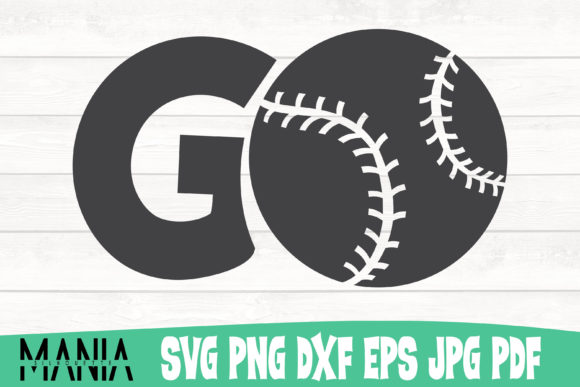
When I first opened the Go Baseball Svg Cut File Design, I was struck by its bold, classic feel. The design carries a strong sports theme with clean lines and a well-balanced layout that immediately makes me think of custom apparel—especially for kids or casual fan gear. It’s not overly intricate, which is a good sign if you’re aiming for a high-quality embroidered outcome without unnecessary stitch complications. The visual personality of this file is straightforward yet expressive, making it a versatile choice for various embroidery projects.
A Practical First Look at the Design
The SVG file is optimized for Cricut and Silhouette Studio, and it shows. The outlines are crisp, and the overall structure feels intentional. As someone who often works with SVGs for machine embroidery designs, I can tell this one has been prepped with scalability in mind. Whether you're resizing for a tiny patch on a cap or stretching it across a sweatshirt back, the proportions remain consistent and readable. The PNG file with a transparent background is a nice touch for previewing how the design will look before cutting, especially when planning placement on different materials like fabric or felt.
I appreciate the inclusion of an EPS file—it gives designers the freedom to edit shapes and adjust elements as needed. That flexibility is essential when tailoring a machine embroidery design to specific client preferences or brand aesthetics. The JPEG version is suitable for iron-on machines, allowing for quick mockups or previews for clients. And the DXF format adds another layer of compatibility for laser cutters or other precision tools used in larger production runs.
Real-Life Application: Custom Tote Bag for a Local Sports Boutique
Let’s say you’re designing a tote bag for a local baseball-themed boutique. You want something that looks professional but still feels handmade and unique. The Go Baseball Svg Cut File Design could work beautifully here. Its bold lettering and clear iconography make it ideal for satin stitch outlines and fill areas. When applied to a cotton canvas tote, the design maintains clarity and impact after stitching, giving the finished product a polished appearance that customers would recognize and trust.
As an embroidery project, this design stands out for its simplicity and readability. It doesn’t try too hard; instead, it focuses on what matters most—communicating the baseball theme effectively. This kind of approach resonates with both hobbyists and craft business owners who need reliable, recognizable design assets for their handmade products.
Where This Design Shines
- Sweatshirts & T-Shirts: The design adapts well to medium-sized garments, especially when using a mix of satin and running stitches for definition and movement.
- Tote Bags: Great for adding a pop of style to reusable bags. The contrast between the design and the background material really shines here.
- Baby Clothes: With a little adjustment in scale and color choices, it can be softened into a sweet, playful baby embroidery motif.
- Embroidered Patches: Perfect for creating patches with minimal effort. The shape is solid, and the details are easy to manage even on smaller surfaces.
- Commercial Projects: While the design is simple enough for personal use, it also holds up well in commercial settings. It's a great candidate for branding merchandise for a small shop or Etsy store.
One thing I noticed right away is that the design naturally complements both light and dark fabrics. On white cotton, it becomes vibrant and eye-catching. On navy or black, it takes on a more subtle, sophisticated tone. This adaptability is a huge plus for any embroidery designer looking to maintain brand consistency across multiple product types.
Use Cases to Consider Carefully
Despite its strengths, there are some scenarios where this design might require extra attention. For instance:
- Small Hoop Sizes: If you're working with tight spaces, such as a cap or a tiny patch, some elements may become less legible or harder to stitch cleanly. Always confirm your hoop size and consider simplifying the design if necessary.
- Textured or Stretchy Fabrics: The design relies on smooth, flat surfaces to maintain its sharpness. On stretchy materials like spandex blends or flannel, you’ll need to adjust stitch density and possibly add more stabilizer.
- Detailed Corners or Tiny Lettering: If the design includes fine details, those areas may require closer inspection during testing. Make sure your machine can handle them without distortion.
- Dark Fabric Backgrounds: The thread colors provided may not offer sufficient contrast. Use the included PNG file to test visibility against darker tones before finalizing your color scheme.
- Frequent Washing: Because of the design's potential for dense stitching areas, frequent washing could cause slight puckering or fading. Choose durable threads and stable fabrics to preserve quality over time.
Design Notes for the Best Results
Before jumping into a full production run or client project, take these practical steps to ensure the best outcome from Go Baseball Svg Cut File Design:
- Test on Scrap Fabric: Always do a trial stitch on a piece of scrap material that matches your intended fabric type. This helps identify issues with stitch density or thread tension early.
- Review Thread Color Contrast: Use the transparent PNG to check how well the colors stand out on your chosen background. If you're unsure, create a black-and-white mockup to simulate grayscale results.
- Check Stitch Density Settings: Depending on the fabric thickness, you may need to reduce or increase stitch density slightly. Too many stitches can cause puckering; too few can lead to gaps in coverage.
- Confirm Hoop Size Requirements: Though the file is scalable, always verify that your hoop can accommodate the full design comfortably, especially if it’s going on a curved surface like a cap.
- Inspect Small Details: Zoom in on the SVG to see how well the corners and edges translate into embroidery. A little tweaking in Silhouette Studio or similar software can go a long way.
- Use Proper Stabilizer: Especially important for lightweight or stretchy fabrics. Tear-away or wash-away stabilizers can help prevent distortion and improve stitch accuracy.
- Verify Licensing Before Selling: Since this is part of a graphic templates package, always double-check the licensing terms. If you plan to sell the finished product or digital files, ensure you have the right to do so.
Customer Reaction and Market Fit
In my experience, customers gravitate toward embroidery that feels both professional and personal. The Go Baseball Svg Cut File Design checks both boxes. It brings a sense of nostalgia and enthusiasm to any item it adorns. Whether it’s a personalized gift for a young fan or part of a small shop product line, this design adds value and visual appeal.
What I find particularly effective is how it enhances handmade presentation. Even though it's a digital file, the way it translates into physical embroidery feels very much in line with artisanal craftsmanship. As an Etsy seller, I’d feel confident using this in listings because it looks clean, modern, and ready for real-world wear.
Visual Clarity and Brand Recognition
Stitch clarity is crucial in any embroidery project, and this design handles it well. The bold elements make it easy to read from a distance, while the subtler parts retain enough detail to avoid feeling generic. This level of balance supports better brand recognition, especially for shops or boutiques that rely on consistent visual identity across their product range.
On items like aprons or tea towels, the design gains a new life. It becomes a decorative accent rather than just a logo, subtly reinforcing the theme of the product. In holiday gifts or nursery decor, it can be paired with other motifs to build a cohesive aesthetic. The versatility is impressive for a single digital embroidery file.
Final Thoughts for Embroidery Designers and Sellers
The Go Baseball Svg Cut File Design isn’t flashy, but it does deliver a solid foundation for a variety of applications. It’s the kind of design that feels like it belongs on a product rather than just being slapped onto it. As a reviewer, I’d say it’s best suited for custom apparel, tote bags, and patches where clarity and a classic sports vibe are key.
For creative entrepreneurs and apparel decorators, it’s a safe and stylish option. It builds customer trust through its professional finish and offers enough flexibility to fit into different niches—from holiday embroidery to boutique branding. Just remember to tailor your technique based on the fabric and machine you're using.
If you're considering this design for your next project or collection, I recommend starting with a test piece. Try it on a few different materials and backgrounds to get a sense of how it behaves. Once you’ve confirmed it works for your needs, you can confidently incorporate it into your workflow as a trusted embroidery file with real-world usability.