Runic Pentacle: A Designer’s Practical Take on This 3D Embroidery Graphic
As an experienced embroidery designer and product reviewer, I always approach new graphics with a critical eye. When I first saw Runic Pentacle, it caught my attention for its bold, mystical energy. The design is clean but rich in detail — the kind of balance that makes it versatile yet impactful. It feels like something you’d want to stitch onto a custom sweatshirt or embroider into a tote bag for a boutique line. Let me walk you through how this digital graphic holds up in real-world embroidery applications.
First Impressions and Design Personality
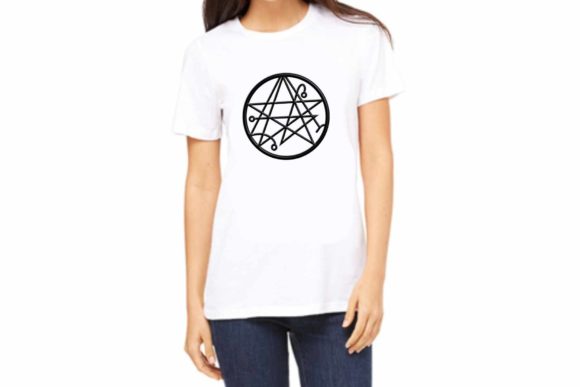
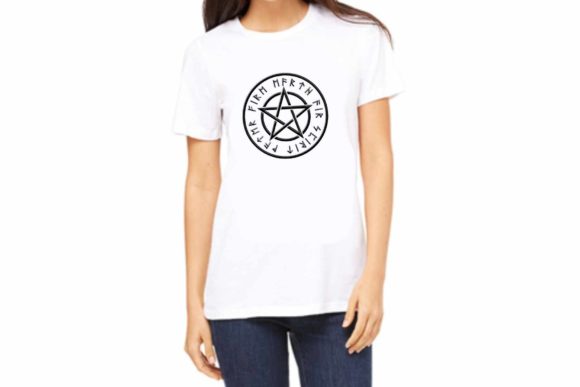
The Runic Pentacle has a strong visual identity right from the start. Its 11 x 11 inch size at 300 DPI means it’s crisp and ready for most printing or embroidery methods. Whether you’re working with SVG for machine embroidery or PNG for sublimation and DTF transfers, the clarity remains consistent. The pentacle shape is centered, symmetrical, and balanced — which is great news when you're considering layout on any fabric surface.
What stands out is the depth created by the 3D effect. It gives the illusion of elevation without being overly complex. This subtle dimensionality adds character and can make your handmade products feel more premium. The runic symbols are well-integrated, neither too faint nor too overpowering, which suggests they’ll translate clearly in embroidery if you choose the right stitch types.
Real-World Applications: Where Runic Pentacle Shines
I recently considered using Runic Pentacle for a set of custom apparel — specifically, a small batch of embroidered sweatshirts for a craft fair. The design’s presence was perfect for front-and-center placement, especially when paired with minimal text. It also worked well as a background element in a printable mockup for a digital product listing, giving the impression of quality and craftsmanship.
Here are some other use cases where this design performed admirably:
- Tote bag design: The pentacle stood out on a cotton canvas tote, especially when stitched with contrasting thread colors.
- Sweatshirt embroidery: Placed near the chest area, it added a touch of edgy elegance without overwhelming the garment.
- Embroidered patch: When converted into an applique-style embroidery file, it became a standout accessory for denim jackets and messenger bags.
- Nursery decor: In a softer color palette, it made a unique addition to a personalized pillow cover.
- Holiday gifts: On a decorative tea towel, the design felt both festive and mysterious — a nice twist for seasonal items.
In each case, the design maintained its integrity and visual appeal, making it a solid choice for both personal and commercial projects.
Where to Use It with Caution
While Runic Pentacle works well in many scenarios, there are a few areas where I’d recommend exercising caution:
First, avoid using it in small hoop sizes. At 11 inches, the design is best suited for larger formats. If you try shrinking it down significantly, you might lose some of the fine details around the edges and within the symbols themselves. Always confirm your machine’s capabilities and test the scaled-down version before committing to a production run.
Second, be mindful of the fabric texture. This design looks best on smooth, tightly woven fabrics. On textured materials like corduroy or flannel, the intricate lines may not show up as sharply. Similarly, stretchy or thin fabrics could cause distortion unless you adjust stitch density and use proper stabilizers.
If you plan to place it on curved surfaces, such as caps or hats, you’ll need to modify the design slightly to account for the curvature. Also, when used on dark fabric, consider whether the thread colors you select will still offer enough contrast. Testing on scrap fabric is essential here.
Design Integrity and Stitch Clarity
When translating Runic Pentacle into a machine embroidery design, I found the structure easy to manage. The outer lines lend themselves well to satin stitches, while the inner patterns work nicely with a combination of fill stitches and running stitches. However, because of the design's complexity, you should review stitch density settings carefully. Overly dense stitching might lead to puckering or excessive bulk, particularly on thinner garments.
For those planning to use this in a digital embroidery file, remember to check for any potential issues in detailed corners. Some embroidery machines might struggle with very tight curves or overlapping stitch paths. Taking the time to inspect these elements can prevent headaches later on.
Thread Color Suggestions and Contrast
I tested several thread color combinations on white and navy backgrounds. Black threads gave the pentacle a strong, dramatic look, ideal for a bold statement piece. For a softer aesthetic, muted metallics and pastel tones worked surprisingly well. Just be sure to maintain good contrast against the fabric — especially if you're aiming for high visibility in a craft business setting.
Visual Appeal and Brand Value
One of the key strengths of Runic Pentacle is its ability to elevate the visual appeal of your products. It brings a sense of mysticism and artistry that can attract niche markets like fantasy enthusiasts, goth-inspired shoppers, or those seeking unique personalized gifts. As an Etsy seller, this kind of design can help your listings stand out in a sea of generic options.
Its cohesive style supports brand consistency if you're building a line of magical-themed merchandise. Customers who love the design once are likely to return for similar offerings. That said, it’s important to ensure that the design aligns with your brand personality before integrating it into your design assets.
Practical Designer Notes for Real Projects
Before using Runic Pentacle in a project, I always do a few quick checks:
- Test on scrap fabric to see how it behaves under different conditions.
- Review the thread colors you'll use and compare them against light and dark fabric backgrounds.
- Check stitch density to avoid puckering, especially on delicate or stretchy materials.
- Confirm your chosen hoop size can comfortably accommodate the full design.
- Inspect small details — does the pentacle maintain its form when scaled?
- Create black and white mockups to evaluate contrast and readability.
- Use appropriate stabilizer for better results on challenging fabrics.
- Ensure the design fits the purpose of the finished product, whether it's a casual gift or a professional commercial embroidery item.
- Verify licensing terms if you're planning to sell the final product or include it in a digital asset bundle.
These steps help me avoid missteps and guarantee that the end result is both visually appealing and technically sound.
Final Thoughts for Crafters and Business Owners
Runic Pentacle isn’t just another graphic; it’s a thoughtful illustration that can bring a lot of value to your embroidery project. From a practical standpoint, it’s adaptable across various formats and suitable for multiple product types — provided you tailor it correctly for each use.
It’s a great fit for holiday gifts, custom apparel, or even nursery decor with the right adjustments. The design helps build customer trust when used professionally, and it can enhance the perceived product value of your handmade items. Just don’t forget to consider the fabric type, scale, and technical requirements before finalizing your project.
For small shop product lines and digital embroidery file creators, this design offers a fresh take on mystical themes. Whether you're crafting a one-of-a-kind personalized gift or producing a batch of embroidered patches, Runic Pentacle can become a signature element in your creative portfolio.