Clock Face Template 11 Embroidery Review
As a designer who spends more time than I care to admit staring at stitch density charts and debating thread color palettes, I approach every new digital asset with a healthy dose of skepticism. The market is saturated with "pretty" graphics that fall apart the moment they hit the hoop. That is why I took Clock Face Template 11 for a spin before committing it to any client work or personal projects. This isn't just another generic clip art file; it is a well-structured design asset that requires some thoughtful consideration to execute properly.
First Impressions: Mood and Visual Personality
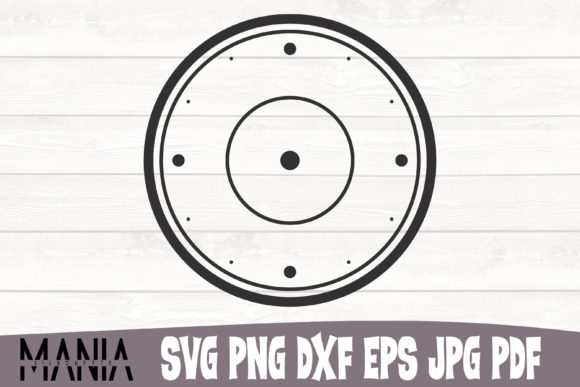
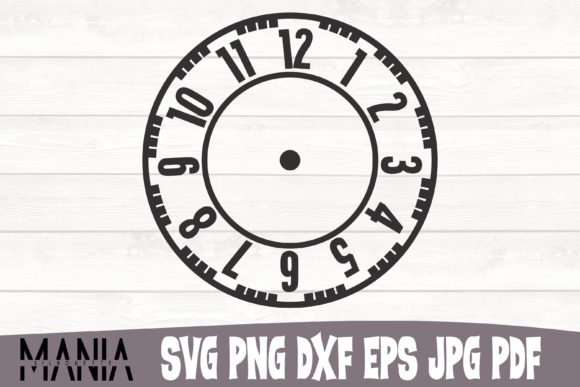
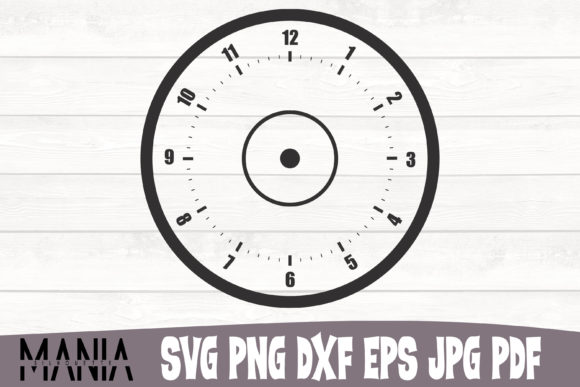
When you first load Clock Face Template 11 into your digitizing software or preview window, the immediate takeaway is its clean, minimalist aesthetic. It doesn’t scream for attention with excessive flourishes or overly complex patterns. Instead, it relies on strong geometry and clear lines. For an embroidery designer, this is both a blessing and a challenge. The mood it creates is one of organized calm—perfect for modern home decor, professional office accessories, or those understated yet stylish handmade products that are currently trending on platforms like Etsy.
The layout feels balanced. Whether you are viewing it as a standalone graphic template or imagining it integrated into a larger composition, the visual weight is distributed evenly. It has a timeless quality. It doesn’t feel tied to a specific fleeting trend, which means a finished product featuring this design will likely remain relevant longer in your inventory. However, because it is so clean, the execution matters immensely. There is nowhere to hide poor stitching technique here.
Real-World Application: From Screen to Stitch
I wanted to see how Clock Face Template 11 would perform in a practical scenario. My test case was a custom embroidered tote bag intended for a local boutique client who specializes in minimalist stationery. The goal was to create a functional accessory that doubled as a subtle brand statement. Using the provided SVG file, I scaled the design to fit a standard 5x7 inch hoop area.
The results were promising. The design translated beautifully onto canvas fabric. Because the core elements are geometric, the satin stitch edges came out crisp and defined. There was no muddying of the shapes, which often happens with more intricate floral or script designs. For a small business owner looking to produce high-quality custom apparel or accessories, this level of clarity is crucial. It builds customer trust instantly; buyers can see that the maker cares about precision.
I also experimented with using it as an embroidered patch for a denim jacket. In this context, the clock face acted as a focal point. When paired with a simple border, it looked like a premium, branded item rather than a DIY craft project. This versatility is where Clock Face Template 11 truly shines. It works equally well as a central motif on a sweatshirt or as a delicate accent on a baby onesie, provided the scale is adjusted correctly.
Strategic Considerations for Designers
While the design is robust, it is not without its pitfalls. As someone who reviews these assets for their practical value, I need to highlight where caution is required. Clock Face Template 11 relies heavily on line integrity. If you attempt to stitch this on a highly textured fabric, such as a heavy boucle wool or a nubby linen, the fine details may get lost. The fabric texture can interfere with the stitch density, causing the lines to waver or break.
Furthermore, be mindful of the hoop size. While the design scales well, attempting to fit it into a very small hoop (under 3 inches) can result in overcrowded stitches. Tiny details in a clock face—like the markers or inner rings—can become indistinguishable blobs if the stitch count is too high for the available space. Always check your hoop size limitations before finalizing the production run.
Another critical factor is fabric choice. Dark fabrics require careful thread selection. A low-contrast thread color against a dark background will make the clock face disappear entirely. Conversely, using white thread on light fabric might lack the punch needed for visibility. I recommend testing various thread colors on scrap pieces of your actual target fabric. This step saves time and materials in the long run.
Technical Execution and Best Practices
To get the most out of this machine embroidery design, proper stabilization is non-negotiable. Because the design features distinct outlines, using a cut-away stabilizer is advisable, especially for stretchy knits or garments that will undergo frequent washing. This ensures the shape retains its integrity over time. For woven fabrics like cotton or linen, a tear-away stabilizer may suffice, but always err on the side of support.
When preparing the file, pay close attention to the applique design possibilities. If you plan to use an appliqué technique to fill the clock face background, ensure your layers are aligned perfectly. The EPS files included in the pack are excellent for this, allowing you to edit the vector paths and adjust the placement of underlying layers before digitizing. This flexibility is a significant advantage for digital embroidery file users who need to customize designs for specific client requests.
For those creating printable mockups or design assets for resale, the transparency of the PNG file is a huge plus. It allows you to place the clock face seamlessly onto various backgrounds in your marketing materials. This helps potential buyers visualize the finished product in different contexts, increasing engagement and sales conversion rates.
Final Verdict for Craft Businesses
Overall, Clock Face Template 11 is a solid addition to any designer’s library. It offers a clean, professional look that appeals to a wide audience, from hobbyists making personalized gifts to Etsy sellers building a brand identity. Its strength lies in its simplicity and adaptability. It doesn’t try to do too much, which makes it easier to execute flawlessly.
However, success depends on your preparation. Test thoroughly. Check your stabilizer. Choose your thread colors wisely. And always remember that while the digital file is perfect, the physical result is only as good as your setup. If you follow these best practices, Clock Face Template 11 can help you create stunning, marketable items that stand out in a crowded marketplace. It is a reliable tool for anyone serious about quality in handmade products and commercial embroidery.